
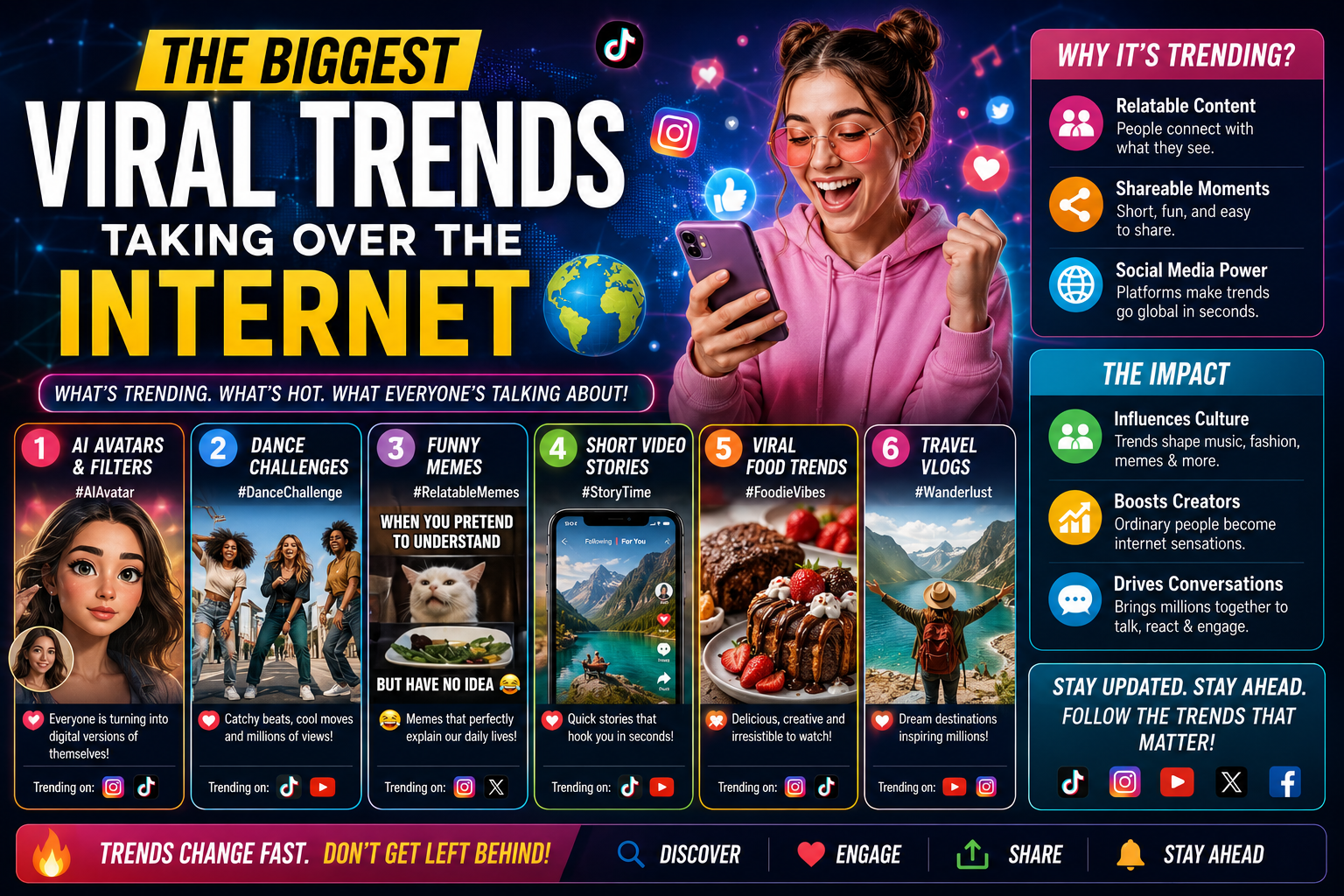
If you have scrolled through TikTok or Instagram Reels lately, you have definitely seen people declaring that they are officially “locking in.” This isn’t just a passing phrase; it has turned into a massive productivity and lifestyle movement with hundreds of thousands of posts.
[The "Lock-In" Core Pillars]
1. Public Accountability: Posting raw, unedited daily goals.
2. Anti-Aesthetic: Ditching the "$10 iced matcha" look for basic tap water and old t-shirts.
3. The Goal Focus: Restricting social distractions to clear a specific hurdle (exams, fitness goals, or career pivots).
Unlike the older, toxic “hustle culture” that told people to work 24/7 until they burned out, the “lock-in” trend is different. It is highly communal. Creators share their chaotic daily schedules, their messy desks, and their genuine struggles to stay focused. Communities are forming in the comment sections where complete strangers hold each other accountable. It’s less about performing perfection and more about a collective, “Let’s pull ourselves together and get this done” attitude.
2. “Top Five Horror Movies” (The Everyday Edition)
Humor on the internet has become incredibly hyper-specific and observational, and nothing proves this better than the viral “Top Five Horror Movies” trend.
Creators aren’t talking about Hollywood films like The Conjuring or It. Instead, they record themselves doing mundane chores or walking down the street, set to a melancholic background track, while listing everyday scenarios that cause absolute psychological terror.
Examples taking over the feeds include:
-
An unscheduled, early morning video call from your manager.
-
“We need to talk” texts from a best friend or partner.
-
Watching an item you finally decided to buy sell out right as you click ‘Add to Cart.’
-
Realizing you left your headphones at home right as you board a three-hour flight.
It has blown up because it hits on a universal truth: modern anxiety isn’t driven by ghosts or monsters; it’s driven by the minor, socially awkward, and inconvenient friction of daily life.
3. The Death of the For You Feed: “Curiosity Detours”
For years, the gold standard of the internet was passive consumption—you open an app, and you let the algorithm feed you whatever video it thinks you want to see. But the latest data shows a massive counter-movement: users are intentionally breaking out of their algorithm loops.
This trend is being called “Curiosity Detours.” Instead of endlessly scrolling the main feed, millions of users are actively using the search bar and deep-diving into comment sections to treat social video platforms like Google.
People are treating deep comment sections as a “creative surface.” They are building “comment react stacks” using hyper-specific meme photos to communicate instead of words, and launching massive internet rabbit holes based entirely on a single phrase dropped in a video. The internet is transforming from a place where you sit back and watch, to a place where you actively hunt for weird, niche information.
4. Turning Life Into a “Video Game Loading Screen”
Nostalgia is the ultimate cheat code for going viral, and the latest trend hitting the internet taps directly into late ’90s and early 2000s gaming culture.
Creators are filming themselves standing completely still or doing a loop of repetitive, slightly robotic idling movements—perfectly mimicking how background characters look on a video game loading or home screen. They edit the video to include classic pixelated menu borders, status bars (like health or stamina), and nostalgic, low-fi background music.
It builds heavily on the older “NPC (Non-Playable Character)” trend, but frames it with a deeply affectionate nod to childhood gaming nostalgia. It is creative, incredibly difficult to film without laughing, and visual proof of how much internet humor relies on shared generational memories.
5. Romanticizing the Mundane: “Rich in Life”
There is a quiet, beautiful trend taking over the internet that serves as an antidote to the aggressive consumerism we usually see online. The hashtag #RichInLife is blowing up as a direct response to global inflation and financial stress.
Instead of showing off designer hauls, luxury vacations, or expensive dinners, creators are making beautifully shot, slow-paced video montages romanticizing totally free or cheap daily habits.
-
The way the golden hour sun hits a living room rug.
-
The ritual of making a regular cup of instant coffee at home instead of buying a $10 cafe drink.
-
An unfiltered clip of walking through a local flower market or sitting in a park with friends.
The Shift: Audiences are actively redefining what wealth looks like. The internet is rewarding creators who show that fulfillment doesn’t come from what is in your wallet, but from finding joy and presence in the quiet moments of a regular day.
Why These Trends Matter
If you look at all of these trends as a whole, the message from the collective internet is loud and clear: we want reality.
Whether it is laughing at our shared anxieties through the “horror movie” trend, forcing ourselves to focus with the “lock-in” movement, or rejecting luxury to find joy in everyday moments, the internet in 2026 is all about stripping away the fake filters. The content that wins today is the content that makes a viewer stop, smile, and think, “Wow, I thought I was the only person who did that.”