
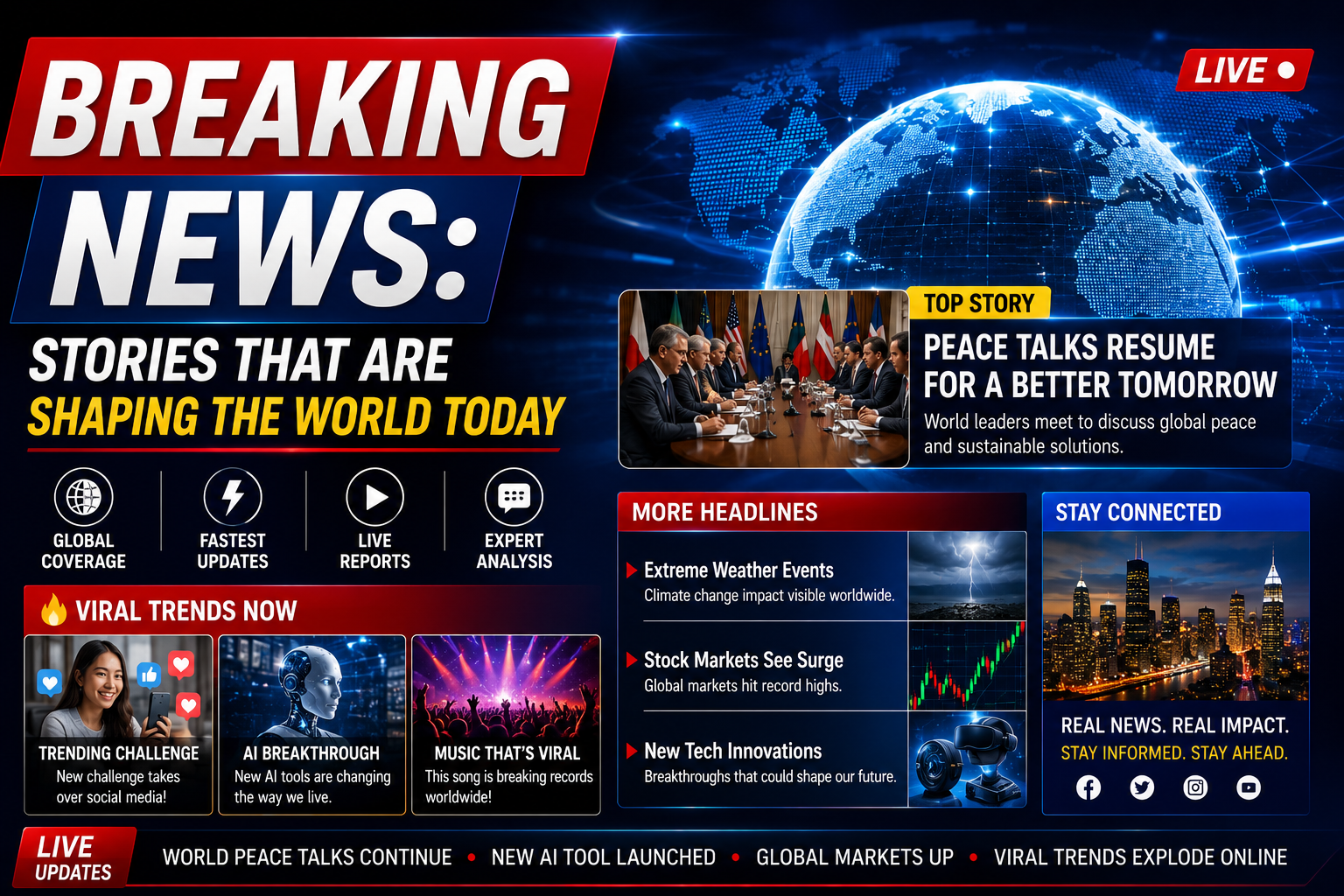
For years, the Middle East—specifically the critical shipping lanes of the Strait of Hormuz—has been a geopolitical tinderbox. Right now, we are witnessing an intense, dizzying bout of public diplomacy that has the entire world holding its breath.
Recent military friction in the Persian Gulf, including controversial strikes near vital water infrastructure, sent shockwaves through global energy markets. Yet, in a classic twist of modern statecraft, public statements from Washington suggest that the US and Iran might actually be on the verge of drafting a massive peace agreement to defuse the naval blockade.
However, behind the optimistic headlines lies a complex reality. Diplomats on the ground are calling for caution, noting that while a framework involving the demining of the strait and the release of frozen assets is being floated, a final, concrete conclusion hasn’t been signed off by all sides. For countries like India, Japan, and European nations that rely heavily on these maritime corridors for energy imports, the stability of this region is paramount. The situation remains fluid, proving that in modern geopolitics, a single headline can shift from imminent conflict to historic diplomacy overnight.
2. The Cultural and Logistical Colossus: The World Cup
On a completely different note, the largest cultural event on earth has officially arrived. The FIFA Men’s World Cup—co-hosted across the United States, Canada, and Mexico—is drawing a historic audience of over a billion viewers. But this tournament is making headlines for reasons that extend far beyond what happens on the pitch.
First, there is the incredible intersection of science and sport. For nearly five years, agronomists and turfgrass scientists have been working to engineer the perfect, consistent playing surfaces across sixteen distinct stadiums. It is a massive scientific feat that highlights just how much data and engineering go into modern entertainment.
Second, the tournament is serving as a mirror for global human rights and political friction. The UN’s top human rights officials have openly raised concerns regarding aggressive immigration enforcement, entry visas, and surveillance affecting international teams, fans, and officials. From teams shifting training camps due to visa delays to supporters facing sudden travel document revocations, the World Cup is highlighting a massive global challenge: how do we celebrate unity and open borders for a game when real-world geopolitical boundaries are becoming increasingly rigid?
3. Climate Reality: El Niño and the Global Temperature Surge
Away from politics and sports, the environment is forcing its way to the top of the global agenda. The World Meteorological Organization (WMO) has issued a stark, high-probability warning: a powerful El Niño event is rapidly developing.
Fueled by unusually warm subsurface ocean waters in the tropical Pacific, this climate pattern is set to pour fuel on the fire of an already warming world. The forecasts for the upcoming months are projecting a near-universal dominance of above-normal temperatures across almost every continent.
[El Niño Forecast: June–August]
Likelihood of Event: ~80%
Projected Global Temperatures: Above Normal Dominance
Primary Regional Risks:
  - Extreme Heatwaves (Global)
  - Severe Droughts (Central/Northern South America, South Asia Monsoons)
  - Heavy Rainfall/Flooding (Southern US, Parts of East Africa)
The impacts of this are not abstract; they are hitting local economies with devastating speed. South Asia is bracing for a weaker monsoon season, which directly threatens agricultural yields and food security for hundreds of millions of people. Meanwhile, central Asian nations are rushing to assemble new water-and-land pacts to survive accelerating environmental degradation. The message from global scientists and leaders is clear: climate volatility is no longer a future problem—it is a present-day logistical crisis affecting water, food, and human survival.
4. The Human Cost: Invisible Global Crises
While high-profile political maneuvers and sporting spectacles dominate primetime news, humanitarian organizations are struggling to keep the world’s attention on quiet, slow-burning human tragedies.
Two major issues are currently testing the moral conscience of the international community:
-
The Child Labor Crisis: Ahead of global awareness campaigns, the International Labour Organization (ILO) dropped a staggering statistic: nearly 138 million children remain trapped in child labor globally, with tens of millions working in hazardous conditions like rock quarries and illegal mines. Economic vulnerability following years of global inflation has pushed families to the brink, rolling back decades of progress in children’s rights.
-
The Information Integrity Crisis: At the United Nations, a major initiative has been launched to combat the unprecedented speed at which hate speech and systematic misinformation are spreading online. With global advertising spending topping a trillion dollars annually, the UN has warned that commercial AI tools, if left unchecked, risk fueling a massive information crisis that deepens social polarization and destabilizes fragile democracies.
5. The Economic Re-Alignment: A Multi-Polar Financial Future
Finally, beneath the surface of daily news, the foundations of global trade are quietly shifting. We are seeing a distinct trend where nations are actively trying to diversify away from traditional Western financial dominance.
Major trade blocs and individual nations are solidifying new partnerships. For instance, massive bilateral trade negations—such as India’s free trade agreements with the UK and the EU, alongside intense economic pacts between Southeast Asian nations and economic giants like China and Japan—reveal a world that is preparing for a multi-polar future.
Faced with unpredictable Western supply chains and unstable energy corridors, developing economies are focusing on promoting local currencies for cross-border transactions and securing steadier sources of critical minerals, uranium, and clean energy technology. The economic map of the world is being redrawn, prioritizing regional resilience over global dependence.
The Big Picture
When you piece these stories together, a distinct pattern emerges. We are living in a deeply interconnected world where a drought in South Asia, a scientific turf breakthrough in Tennessee, a shipping blockade in the Middle East, and a policy change in Washington are all part of the same complex ecosystem.
The stories shaping our world today are reminders that the choices being made right now by scientists, world leaders, and local communities are setting the trajectory for the rest of the century. Staying informed isn’t just about reading the headlines anymore; it’s about understanding how these invisible threads tie all of us together.